A good call center with the wrong hours
Shawn has spent more than 20 years in call centers, and by his own account Kwikset ran a terrific one. But it was also antiquated. Everything came in by phone or email, the team was overstaffed to hold a 2% abandon rate, and calls were answered within 10 seconds. The catch was the schedule: 7 am to 4 pm Pacific time, somewhere around 50 hours a week. Anyone on the West Coast who wanted to call before or after work was out of luck, and a lock is the kind of product people need help with at odd hours.
The team decided to break that model and move to 24/7 service without scaling up headcount, knowing full well they were going to break some things along the way. That is what started the conversation about where AI could help.
Kwikset had been looking at a self-service chatbot for a while without finding the right partner. Centrios, a sister company on the commercial side, was already using Mavenoid and raised its hand to recommend it. The difference in experience between the vendors Kwikset evaluated settled the choice, and the implementation surprised Shawn. He expected months of work. The tool was live in about four weeks.
Nobody knows what lock they have
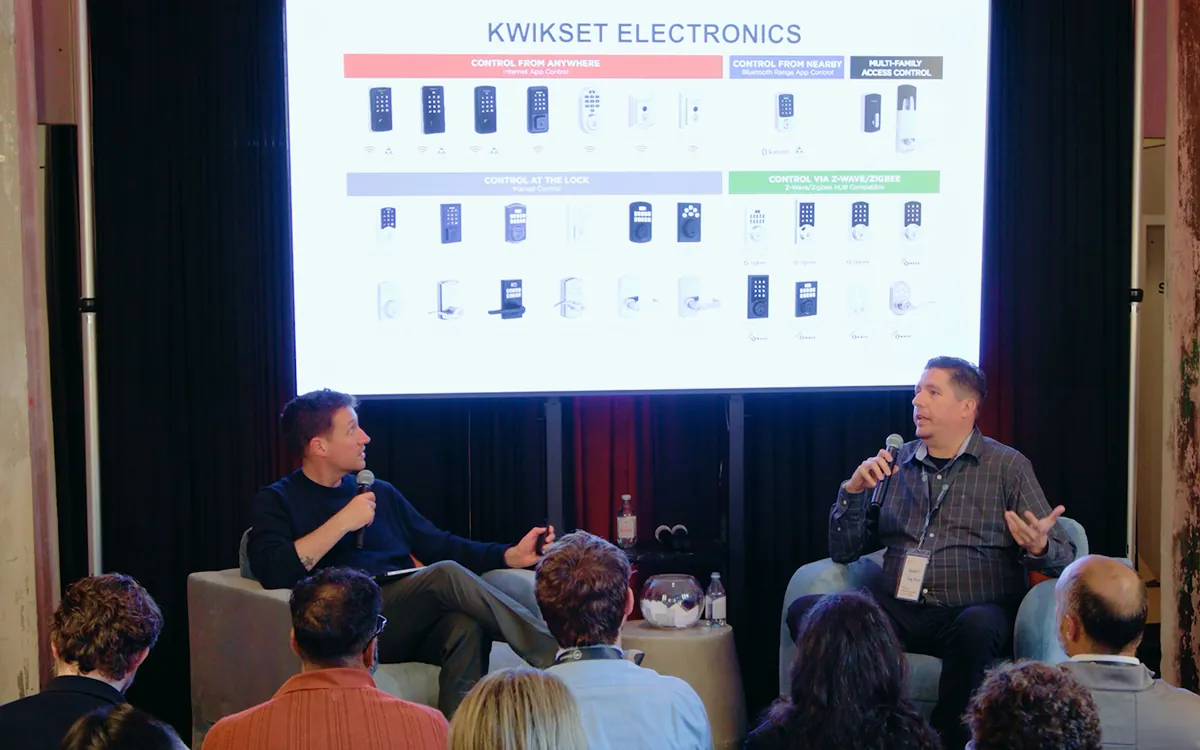
One of Kwikset's biggest support problems starts before troubleshooting does. The company has a long warranty, so it services a lot of obsolete product alongside the active range, and most of these locks look nearly identical. Add Z-Wave and Zigbee variants and the differences get harder to describe over the phone. Customers do not know what they own.
Before Mavenoid, a tier one agent would spend two to two and a half minutes on every call just working out which lock was on the door. Mapping that decision tree into generative chat was straightforward, because chat can lean on pictures. Voice was the real challenge. The questions themselves are simple: how many buttons does it have, does it use Wi-Fi or Bluetooth, are there ten numbers or five. An agent asks them 30 times a day without thinking. But getting an AI voice to ask them, interpret the answers and land on the right product took four or five iterations. Longer term, the dream is for the customer to submit a photo and have the product identified for them.
Chat first, then a careful step into voice
Kwikset started with the Mavenoid widget on its support page, and that has been a clear success. Voice came next, aimed at one large bucket of calls: installation and programming for electronic locks.
Voice was the scary part. Kwikset's customers were used to talking to a live person, and the team wanted to know what an AI voice would sound like to them. So they crept in slowly. The assistant was attached at the front of the IVR for non-connected, non-smart products, the biggest driver of calls. As soon as a caller made that selection, the assistant introduced itself as the Kwikset voice assistant.
The first couple of weeks brought some pushback, but the fix was small. The team rewrote the opening script so the assistant leads with "I'm here to help you" and makes the caller feel welcome before anything else. Customers warmed to it almost immediately.
What makes Mavenoid different from a generic chatbot, in Shawn's words, is the focus the team can put into building it themselves and teaching it what it needs to know. It has also taught them things. Kwikset's FAQ page had not been kept up to date, and the tool surfaced exactly where the content was gapped or wrong. Building flows and letting the tool learn from them has improved the content Kwikset delivers to its consumers.
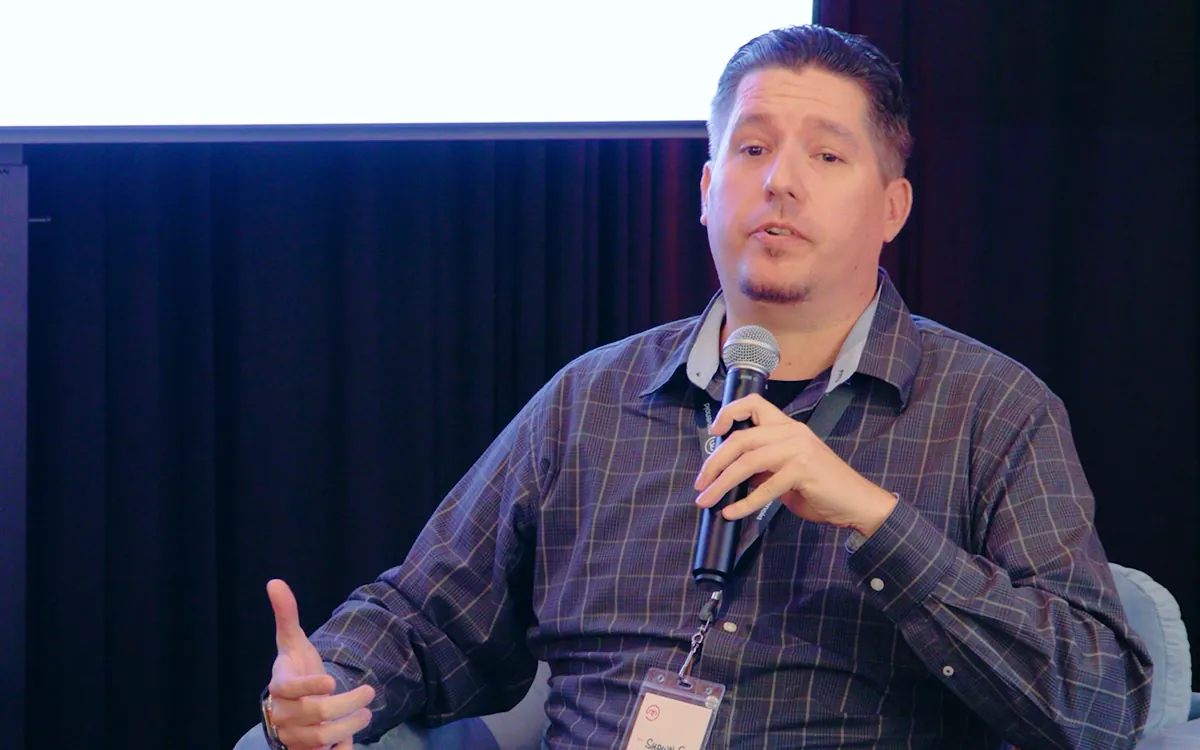
A live demo turned skeptics into a green light
Kwikset's leadership was skeptical at first, which Shawn attributes mostly to the unknown. The team had been living a little in the past and had not embraced newer technology. What changed the mood was a demo Mavenoid built on one of Kwikset's own products, a Halo lock, showing both chat and voice working live. After hearing it, leadership gave an almost immediate green light. On voice, the concern they singled out was that escalation had to be easy: a customer who did not want to talk to the assistant should get to a person without friction.
The support team has embraced it fully. They recognized that nobody was trying to replace their jobs. The tool is an assistant, and they have felt the difference in their own productivity. Because so much context is captured up front, agents get through calls much faster.
It has also changed what some of the team do. Shawn ran a call center as his day job and suddenly found himself learning AI flows and content building. Kwikset expanded the roles of people on the team who showed the skill. Today it is a couple of people doing it alongside their jobs. As the calendar turns to 2027, Shawn expects to create two dedicated roles for it.
The results
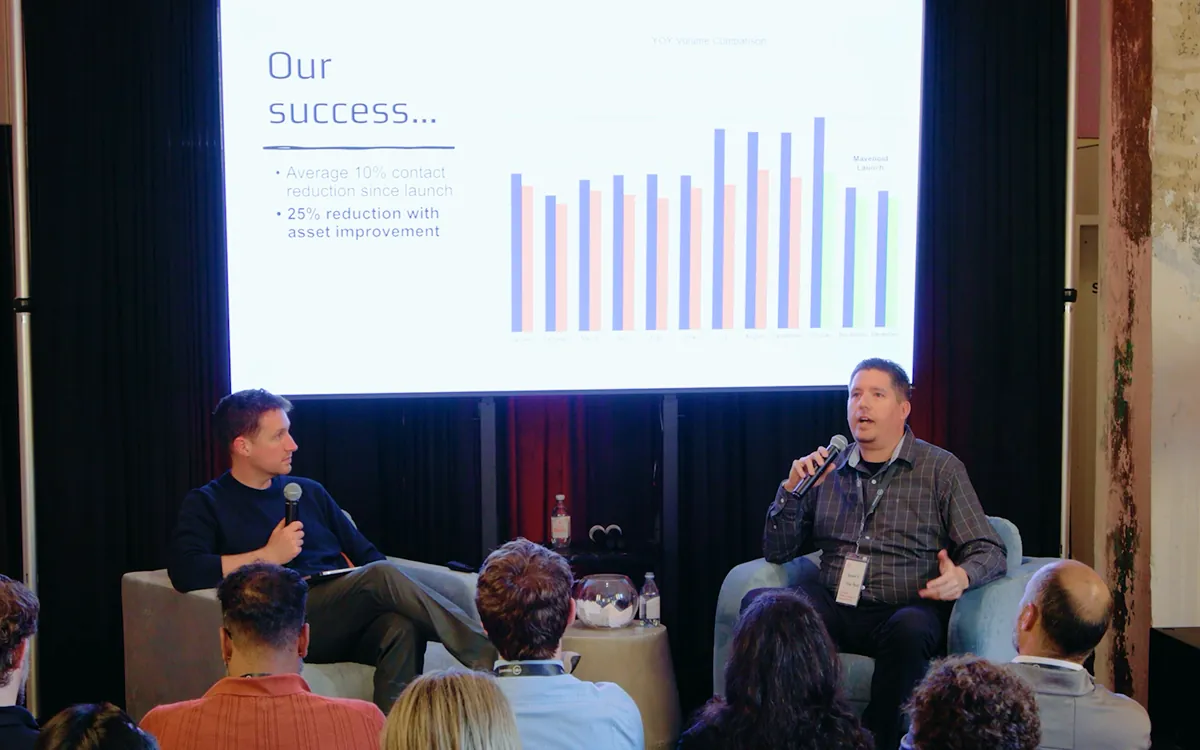
Like any call center, Kwikset measures volume and the usual KPIs. The number that mattered first was overall call volume, which dropped 10% right off the bat. That is the equivalent of four or five tier one agents Kwikset did not have to hire and train while expanding its hours of operation. As the team built better content and learned where the gaps were, the reduction has grown to 25%.
On voice, resolution has gone from 13% at launch to about 19%. The other 81% of callers still reach an agent, but the agent has the transcript in front of them before the call starts. On those escalations, handle time has gone from a normal seven to seven and a half minutes to around three.
When a chat conversation needs a human, it creates a ticket in Salesforce and queues a callback for the next day, with the customer choosing email or phone. Shawn calls the callback feature a lifesaver overall, with room for fine-tuning. In a perfect world, customers would schedule the callback for a time that suits them instead of waiting for Kwikset's.
Shawn's team has sat through Mavenoid's analytics demo three times, because the data is what tells them where to improve next. The internal target is for 50% of tier one calls to be handled through self-service, and for voice to reach the 35% resolution rate Don Lyskawa described at Broan-NuTone earlier in the day.
What's next
The plan is to keep moving tier one work (the basic programming, installation and warranty questions Shawn calls nuisance issues) into self-service, and turn the support team into a high-performing tier two group that handles the technical, complex problems. Customers are pushing in the same direction. As Shawn put it, they do not want to jump on a call or write an email and wait. If they can fix it right now, on their own time, they will.
For Kwikset the lever is content. Things change quickly in electronics and home security, and keeping content current has been behind much of the improvement so far. Beyond that, Shawn wants deeper integration with Salesforce and the CRM, including a path to drive sales from the many presale inquiries that come into support. Kwikset still staffs phone agents around the clock today, and Shawn's aim is to reduce that as self-service fills the 24/7 need.