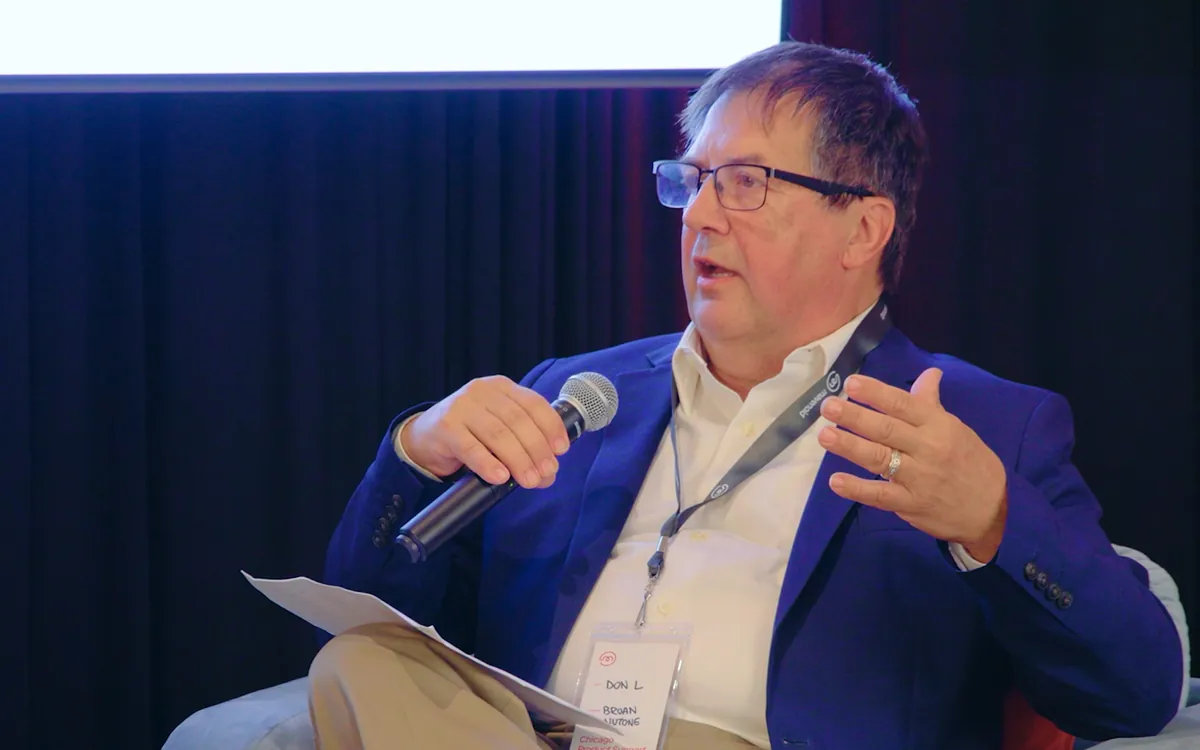
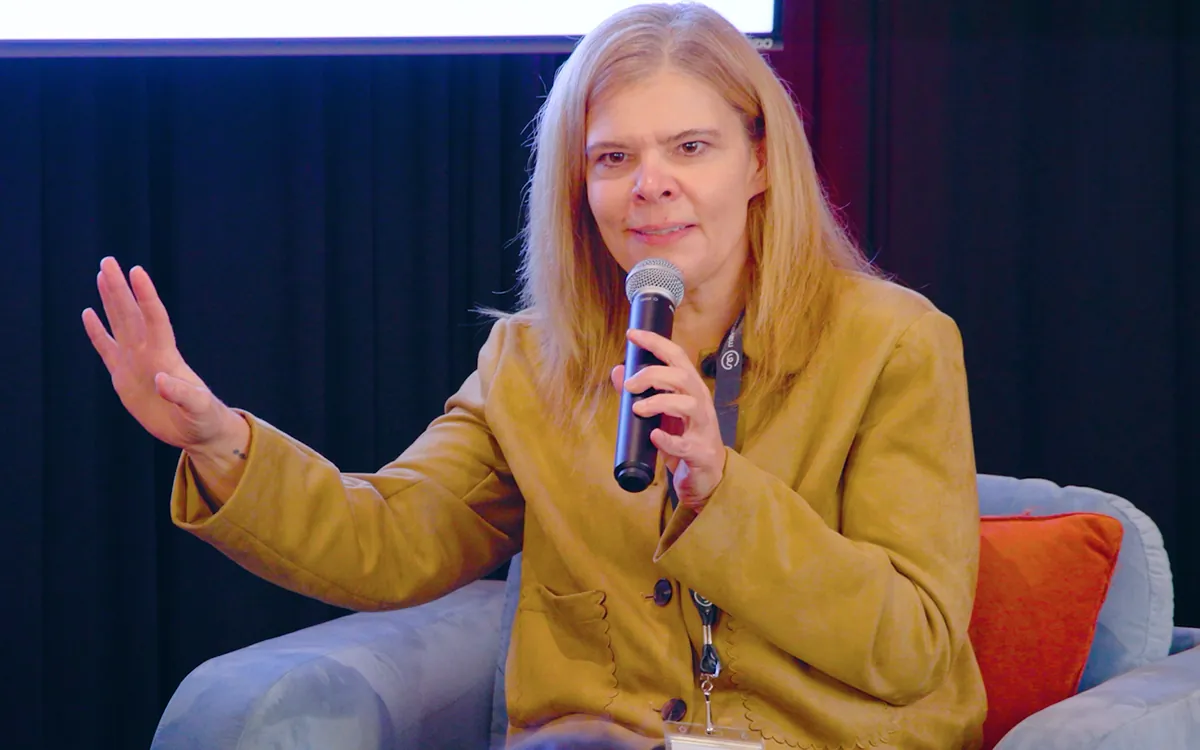
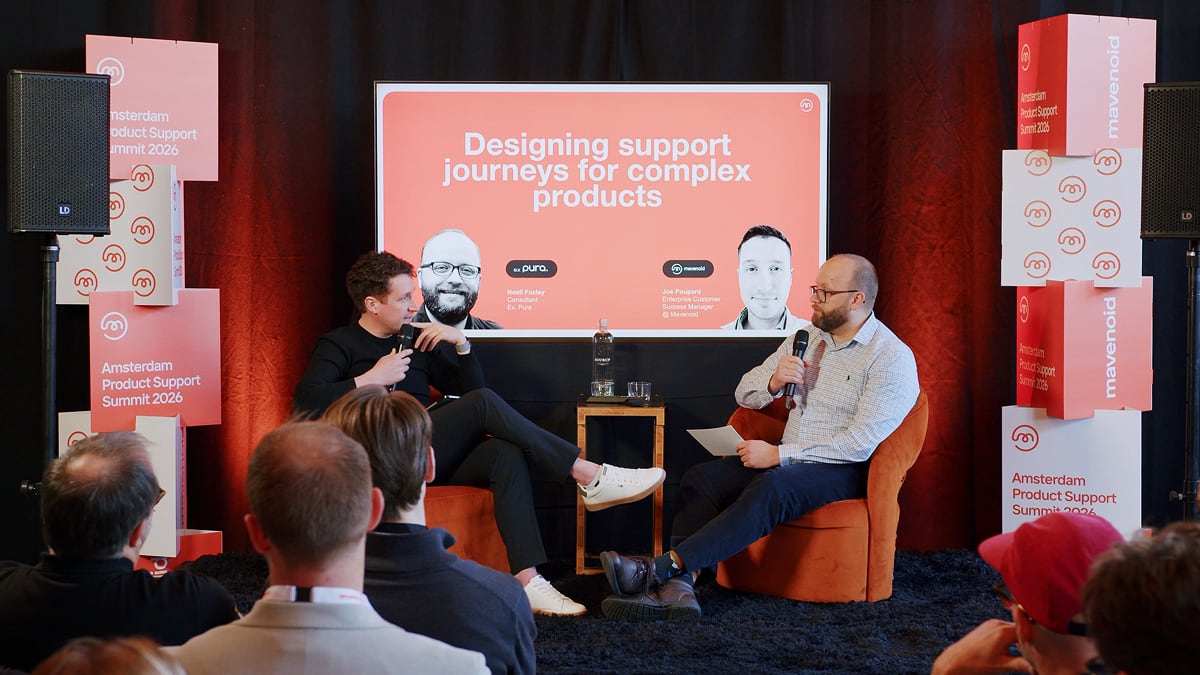
The session, hosted by Mavenoid's Joe Poupard, covered everything from escalation design to cross-functional ownership. Noall brought sharp, hard-won perspective from years leading support at a fast-scaling consumer hardware brand, and more recently from consulting across multiple organizations navigating their own AI journeys.
The surface-level trap
One of Noall's sharpest observations: most chatbots today are informational, not helpful. They're well-built, empathetic, and credible, but they stop short of the depth customers actually need, whether that's account-based actions, deeper troubleshooting, or anything beyond a FAQ. Closing that gap, he argued, is where the real work begins.
The last mile problem
Borrowing a concept from logistics, Noall framed escalation as support's version of the last mile — the highest-friction, highest-cost point in the journey. When a chatbot hands off to a human agent, it's making an implicit promise to the customer. If that handoff is clunky, if the agent has to start from scratch, the human team ends up accountable for a promise AI made. Getting the handoff right with a concise, actionable summary rather than walls of text is one of the most impactful things a support team can invest in.
The unglamorous work that unlocks everything else
Noall was refreshingly direct about what actually makes AI succeed: documentation, process mapping, and cross-functional communication. Not the exciting stuff. But as he put it, "it's the unglamorous work that actually unlocks the fun components of AI." And once it's in place, the depth of what's possible expands significantly.
A question worth asking at every step
Perhaps the most memorable line of the session: the leaders who will look back most proudly on this era won't be the ones who automated the most or cut the most costs. They'll be the ones who paused at every decision point and asked: "Is this right, and can we do it well?"